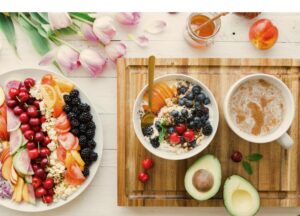
Here is a simple guide which will help you to how hour plate should really look like?
Nutrition is one of the most important thing which every individual tries to complete in their meal. Try to track meals through apps, trying to complete through meal plans but yet struggling let’s see how your plate should look like.
Think of your meal as a round plate, then aim to fill the plate like this for lasting energy and good health:
1. A Half Your Plate: Veggies and Fruit
Try aim for variety of vegetables and fruits because these foods flood your meal with vitamins, fiber, and protective plant compounds. They cool inflammation, keep your gut moving, and make it easier to stay at a healthy weight.
What to choose? Fill your hunger with every shade. Greens such as spinach, cauliflower as it is filled with nutrients that’s what all you need for your health.
2. A Quarter of Your Plate: Lean Protein
This macronutrient helps to builds muscle and repairs the tissue after a workout, powers your immune cells, and slows down hunger. When balanced with carbs, protein also smooths blood-sugar rises and falls, leaving you steady.
What to choose? Whether beans, fish, eggs, grilled chicken, or tofu, pick options low in excess fat. Aim for a palm-sized piece, cooking it simply-roasted, or stir-fried with spices.
3. A Quarter of Your Plate: Whole Grains or Starchy Vegetables
Carbs are your body’s main fuel, and fiber-rich choices keep bowel habits steady and blood sugar calm.
What to choose? Swap white pasta for whole-grain noodles, brown rice, quinoa, or sweet potatoes. Offer just enough so you feel satisfied, then see how your body moves before adding more.
Staying hydrated helps everything else work better, without leaveing you with a feel of hunger.
4. Healthy Fats (A Small Amount)
Healthy fats are very crucial for your brain health, hormone regulation, and absorbing fat-soluble vitamins like A, D, E, and K. They also help support heart health.
What to choose? Include a small amount of healthy fats from sources like olive oil, nuts, seeds, or fatty fish like salmon.
5. Hydration: Drink Water
One of the main essential thing required for digestion and nutrient absorption is water. Aim to stay hydrated throughout the day without having a feel of thirsty.
What to choose? Water is always the best choice. Herbal teas or infused water with lemon or cucumber can also keep things interesting.
The Key to Success: Balance and Moderation
While these guidelines are a great starting point, remember that balance is key. Every meal should not be perfect, and it’s okay to indulge it sometimes. The goal is to make healthy choices most of the time, so that overall, you’re nourishing your body with a variety of nutrients it needs to thrive.
Pro tip: Pay attention to portion sizes, eat mindfully, and listen to your body’s hunger.
Balanced Diet Basics: The Foundation of Healthy Eating
A balanced diet is all about fueling your body with the right mix of nutrients to support your physical and mental well-being. It’s about eating a variety of foods in the right amounts to maintain your health, energy levels, and overall fitness. Here you will find the basics of a balanced diet:
The necessary nutrients which body needs in enough quantity to function effectively are:
1. The Macronutrients: Carbs, Proteins, and Fats
Carbohydrates (45-65% of daily intake) Carbs are your body’s primary energy source. They fuel your brain, muscles, and organs.
Go for the complex carbs (whole grains, brown rice, quinoa, oats, legumes, and starchy vegetables like sweet potatoes) instead of refined sugars and processed foods. These provide fiber, slow-releasing energy, and keep you fuller for longer for a longer period.
Avoid: Try to avoid Sugary drinks, pastries, and refined grains (like white bread and white rice) which can cause blood sugar spikes and crashes.
2. Micronutrients: Vitamins and Minerals
Nutrients are very important for your functioning of the body. Vitamins: Are source of energy production, and supports the immune system too. Examples of some fruits and food which include vitamin C (found in citrus fruits), vitamin D (from sunlight and fortified foods), and vitamin A (in carrots, and sweet potatoes).
Minerals: Help with bone health, nerve function, and fluid balance. Key minerals include calcium (from dairy, leafy greens), potassium (from bananas, potatoes), and iron (from red meat, spinach).
3. Fiber: The Unsung Hero
Why? Fiber Is one of the most important thing which plays an vital role when it comes to digestion not only that it also helps to control the blood sugar levels.
What to choose? Focus on whole foods like vegetables, fruits, legumes, and whole grains. The more fiber-rich foods you include, the better!
Protein: Grilled chicken breast or baked tofu
Carb: Quinoa or sweet potato
Veggies: Roasted Brussels sprouts, spinach salad with tomatoes
Healthy Fats: A drizzle of olive oil on the veggies or half an avocado on the side
Drink: A glass of water or herbal tea
Summary: What a Balanced Diet Looks Like